
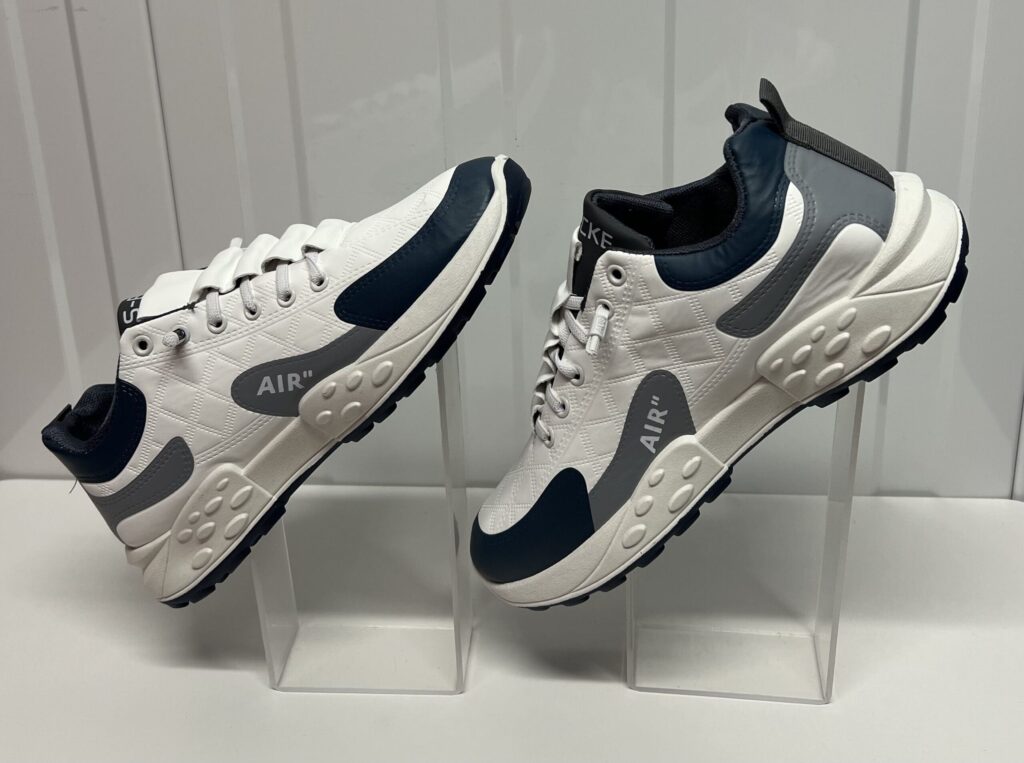
Over the past two decades, Europe has witnessed a remarkable transformation in how people shop for clothing and footwear. What was once a predominantly in-store experience—defined by bustling high streets, seasonal sales, and fitting room queues—has evolved into a seamless, digital-first journey. The advent of online shopping has not only reshaped consumer behaviour but also redefined the fashion industry itself.
A Shift Driven by Convenience
At the heart of this transformation lies convenience. Online platforms have eliminated geographical barriers, allowing shoppers from Dublin to Milan to access the same global brands with just a few clicks. Consumers can browse thousands of styles, compare prices instantly, and shop at any time of day—all without leaving their homes.
This convenience became even more pronounced during the COVID-19 pandemic, when lockdowns accelerated the adoption of ecommerce. Many consumers who were previously hesitant to shop online quickly adapted, discovering the ease and efficiency of digital retail.
The Expansion of Choice and Accessibility
Online shopping has dramatically expanded the range of products available to European consumers. Traditional brick-and-mortar stores are limited by physical space, but ecommerce platforms can showcase vast inventories—from luxury designer collections to affordable everyday wear.
Additionally, smaller and independent brands now have the opportunity to reach a pan-European audience. This has led to a more diverse fashion landscape, where niche styles and sustainable brands can thrive alongside established names.
Technology Enhancing the Experience
Technological advancements have played a crucial role in the growth of online fashion retail. Features such as virtual fitting rooms, size recommendation tools, and augmented reality previews have helped bridge the gap between physical and digital shopping experiences.
Mobile commerce has also surged, with many consumers preferring to shop via smartphones and apps. Personalized recommendations, powered by data and AI, make it easier for shoppers to discover products tailored to their tastes and preferences.
Logistics and Fast Delivery
A key factor behind the success of online clothing and footwear shopping in Europe is the improvement in logistics and delivery networks. Fast shipping options, easy returns, and reliable tracking systems have built trust among consumers.
Many retailers now offer next-day or even same-day delivery in major cities, while flexible return policies reduce the risk associated with buying clothing online. These innovations have made ecommerce a practical and appealing alternative to traditional shopping.
Sustainability and Conscious Consumerism
As online shopping has grown, so too has awareness of its environmental impact. European consumers are increasingly seeking sustainable fashion options, and ecommerce platforms are responding by highlighting eco-friendly materials, ethical production practices, and carbon-neutral delivery options.
Digital retail also enables better transparency, allowing shoppers to make informed decisions about the brands they support.
Challenges and the Road Ahead
Despite its many advantages, online fashion retail is not without challenges. Issues such as high return rates, sizing inconsistencies, and environmental concerns related to packaging and shipping remain areas for improvement.
Looking ahead, the future of online shopping in Europe will likely be shaped by continued innovation. From AI-driven personalization to more sustainable logistics solutions, the industry is poised to evolve even further.
Conclusion
The advent of online shopping for clothes and footwear has fundamentally changed the European retail landscape. What began as a convenient alternative has become the preferred choice for millions of consumers. As technology advances and consumer expectations continue to rise, ecommerce will remain at the forefront of the fashion industry—offering a dynamic, accessible, and ever-evolving shopping experience.
For businesses, the message is clear: embracing digital transformation is no longer optional—it’s essential.